Discover the Greater Sierra Vista Area
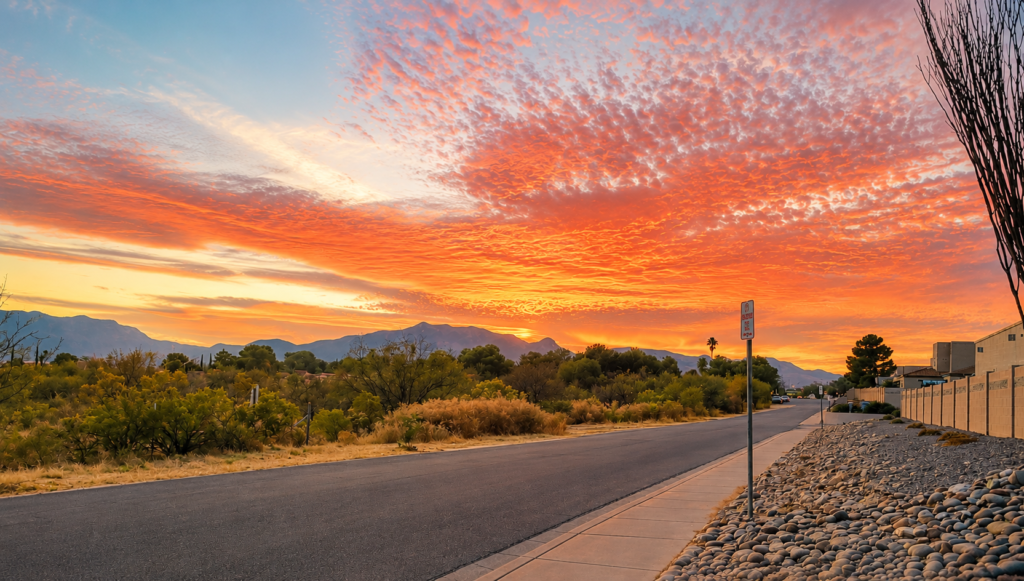
Set against the Huachuca Mountains and surrounded by the remarkable landscapes of southeastern Arizona, the Greater Sierra Vista Area is a place shaped by nature, history, service, enterprise, and community. From Sierra Vista and Fort Huachuca to Huachuca City, Hereford, Whetstone, Palominas, and the surrounding communities, there is much to discover—and even more to experience.
Whether you call this area home, are here for a visit, or are considering what opportunities might bring you here, Explore Sierra Vista is your starting point for discovering the landscapes, people, businesses, history, and experiences that give our region its character.
Discover the Landscape
The Greater Sierra Vista Area sits where desert grasslands rise toward the Huachuca Mountains, part of the distinctive Sky Islands of southeastern Arizona. These dramatic changes in elevation create varied landscapes and habitats that help define the region and provide opportunities to explore the outdoors throughout the year.
Nature & Wildlife
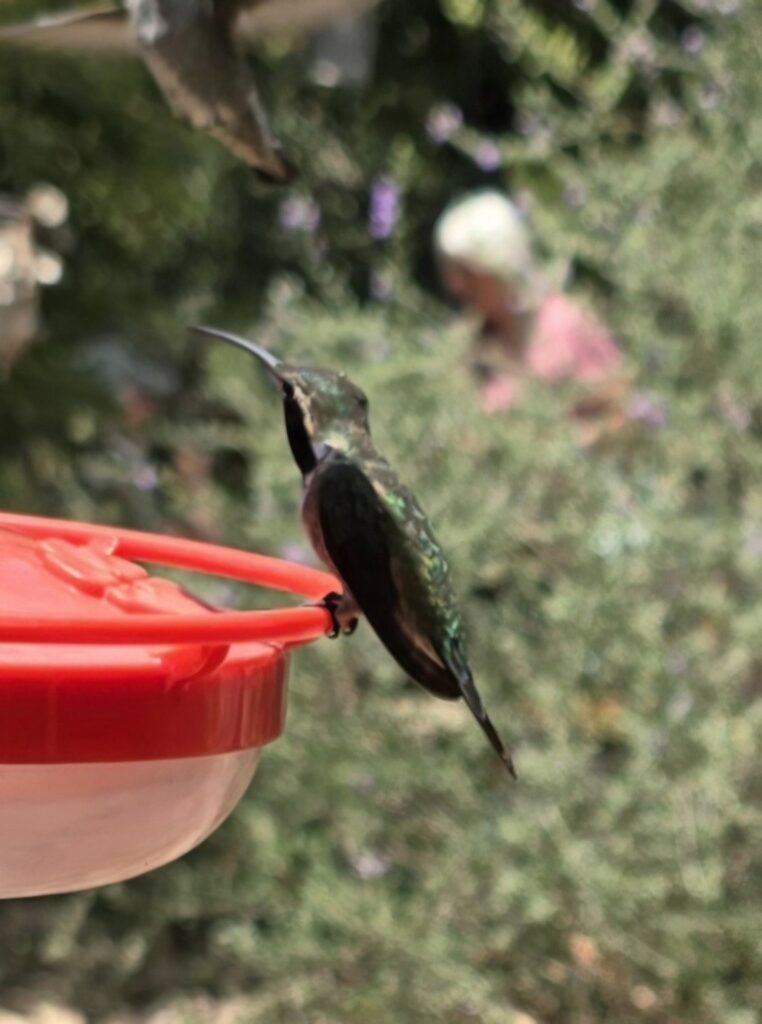
Sierra Vista is the official Hummingbird Capital of Arizona, a designation that reflects the extraordinary variety of hummingbirds found in and around the community. The surrounding Huachuca Mountains, canyons, grasslands, and riparian areas also support a remarkable diversity of birds and other wildlife, making the Greater Sierra Vista Area a destination for birding, wildlife viewing, hiking, photography, and exploration. Experiencing these places responsibly helps protect the habitats and wildlife that make this region so distinctive.
Explore Our History & Culture
The story of the Greater Sierra Vista Area is deeply connected to Fort Huachuca and the people and communities of the surrounding borderlands. Established in 1877, Fort Huachuca has played an important role in American military history and is especially significant to the history of the Buffalo Soldiers. Beyond the fort, museums, historic sites, cultural traditions, and communities throughout the region offer opportunities to explore the people and events that helped shape southeastern Arizona.
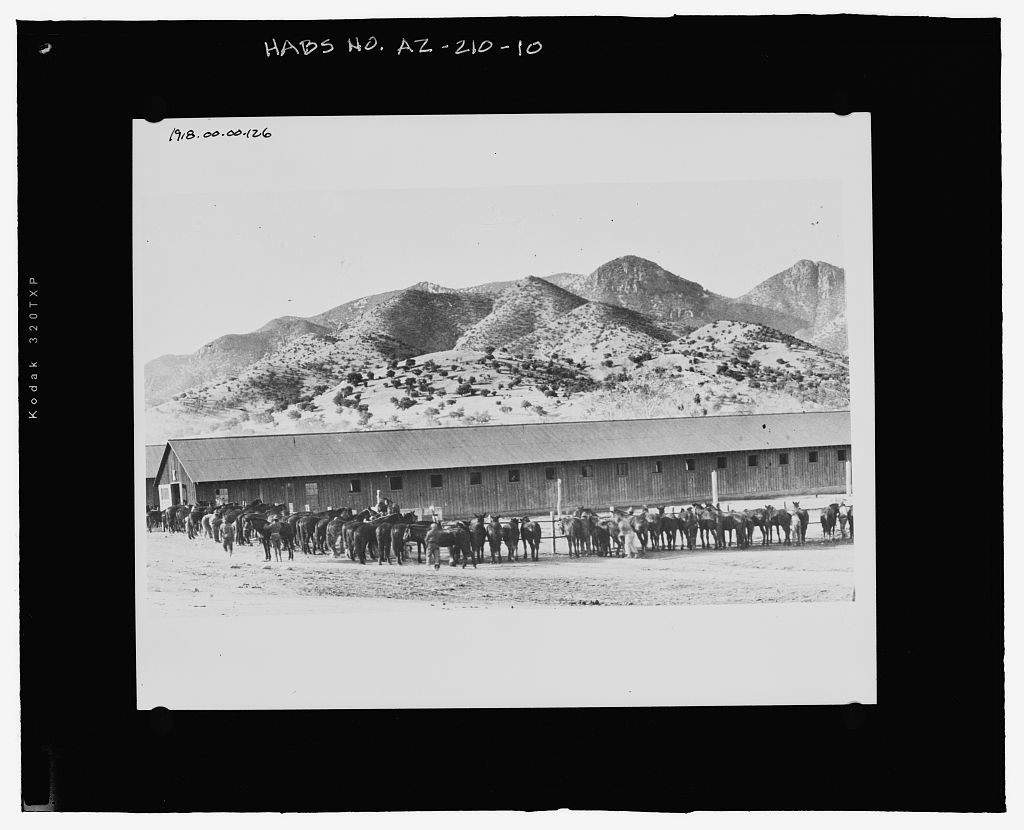
Fort Huachuca cavalry stables, circa 1910. Courtesy of the U.S. Army / Library of Congress, HABS AZ-210.
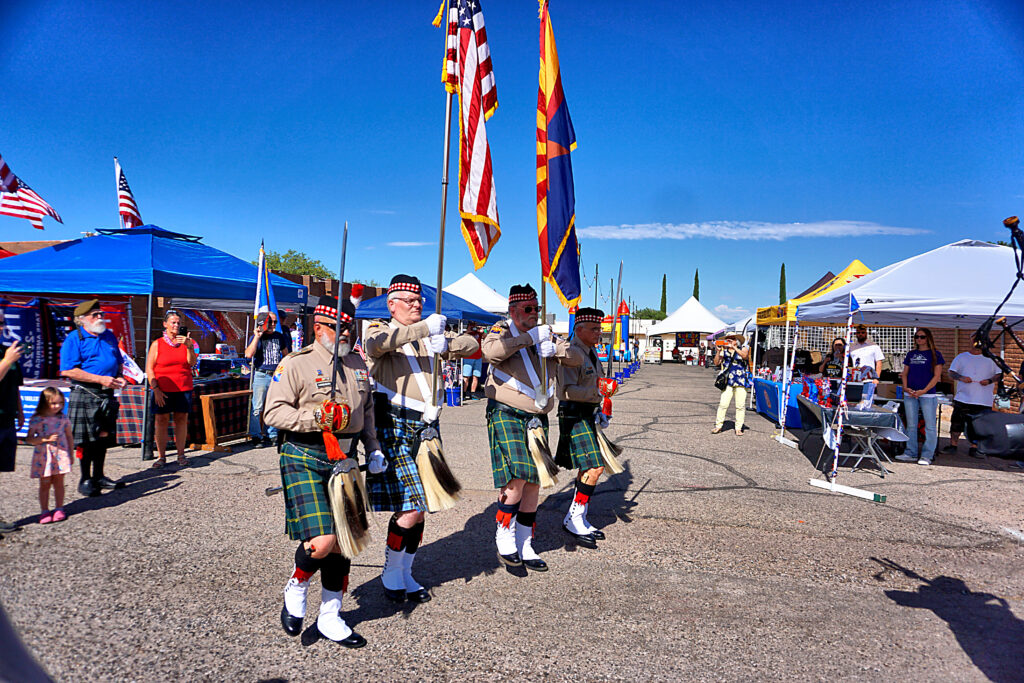
Stand Up 4 Freedom, Sierra Vista. Photo courtesy of FSVAA.
Experience Our Local Community
The character of the Greater Sierra Vista Area is also found in the people who live, work, create, and do business here. Locally owned restaurants, shops, services, entrepreneurs, and community gathering places contribute to a region with an identity all its own. Exploring local businesses is more than part of a visit—it is one of the best ways to experience the community itself.
Events & Experiences
From community celebrations and festivals to live entertainment, markets, educational programs, outdoor activities, and gatherings large and small, there is always something happening across the Greater Sierra Vista Area. Local events bring residents and visitors together while showcasing the organizations, businesses, traditions, and people that make our communities distinctive.
Learn About the Region
Exploring the Greater Sierra Vista Area can also mean understanding it. The region’s natural environment, military heritage, cultural history, businesses, communities, and educational resources offer opportunities to learn about southeastern Arizona from many perspectives. FSVAA supports efforts that help residents and visitors better understand the place we share and the people and stories that continue to shape it.
Places to Explore
From mountain canyons and desert grasslands to a living cave, a rare riparian corridor, historic townsites, and places that tell thousands of years of human history, the Greater Sierra Vista Area offers remarkable opportunities to explore. These are just a few of the places that help tell the story of our region.
The Huachuca Mountains & Canyons
Rising above the surrounding grasslands, the Huachuca Mountains are one of the defining features of the Greater Sierra Vista Area. Their canyons, trails, forests, and changing elevations offer opportunities for hiking, birding, wildlife viewing, photography, and simply experiencing the Sky Islands landscape. Places such as Ramsey Canyon and Carr Canyon provide gateways into this remarkable natural environment.
The San Pedro River
Just east of Sierra Vista, the San Pedro River creates a ribbon of green through the surrounding desert grasslands. The San Pedro Riparian National Conservation Area protects roughly 40 miles of this remarkable river corridor and provides opportunities for birding, wildlife viewing, hiking, cycling, horseback riding, and exploring prehistoric and historic sites. The San Pedro House serves as a welcoming gateway to the conservation area and its network of trails.
Fairbank Historic Townsite
Along the San Pedro River, Fairbank offers a glimpse into southeastern Arizona’s railroad and mining-era history. Established after the railroad arrived in the early 1880s, Fairbank became an important transportation hub and the closest railroad stop to booming Tombstone. Today, visitors can explore the historic townsite, walk its interpretive trail, visit the restored schoolhouse, and discover surviving structures from a community that once connected the people, mines, ranches, and railroads of the region.
Kartchner Caverns State Park
Hidden beneath the Whetstone Mountains, Kartchner Caverns State Park protects a remarkable living cave filled with delicate mineral formations that continue to grow today. Guided cave tours offer visitors an opportunity to experience this underground environment, while the park above ground provides trails, exhibits, camping, and opportunities to learn about the geology and natural history of southeastern Arizona.
Coronado National Memorial
At the southern end of the Huachuca Mountains, Coronado National Memorial brings together sweeping borderlands landscapes, outdoor exploration, and a complex chapter of regional history. The memorial commemorates the Coronado Expedition of 1540–1542 and explores the lasting effects of the encounters between European and Indigenous peoples in the Southwest. Visitors can explore hiking trails, Coronado Cave, the visitor center, and the scenic overlook at Montezuma Pass, with views across the San Pedro and San Rafael valleys and south into Mexico.
Fort Huachuca
Established in 1877 at the base of the Huachuca Mountains, Fort Huachuca has helped shape the history and identity of the region for nearly 150 years. The installation has a particularly important connection to the Buffalo Soldiers, including the 10th Cavalry, which was stationed here from 1913 to 1933, and the thousands of Black Soldiers who trained at Fort Huachuca during World War II. Today, Fort Huachuca remains an active U.S. Army installation and a center for military intelligence, communications, testing, technology, and training. Visitors can also discover its historic Old Post and the Fort Huachuca Museum, which preserves the story of the Army in the Southwest.
Planning to visit Fort Huachuca? Fort Huachuca is an active military installation and visitor access requirements apply. Check current installation access requirements before your visit.
Plan Your Visit
Ready to explore? Current information about attractions, outdoor recreation, events, lodging, dining, and other visitor resources is available from organizations throughout the region. We encourage you to use these authoritative resources to plan your visit while discovering the local businesses, communities, and experiences that make the Greater Sierra Vista Area unique.
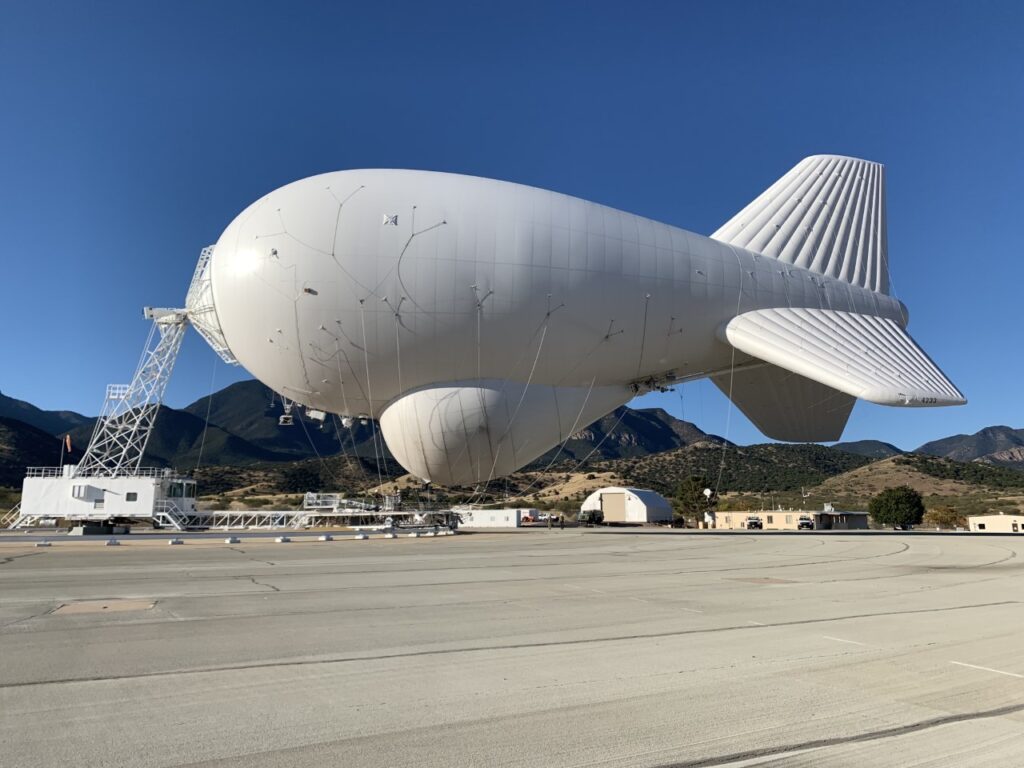
Fort Huachuca Tethered Aerostat Radar System (TARS). U.S. Air Force photo by Deb Henley.
Did You Know?
Some of the Greater Sierra Vista Area’s most interesting stories are hiding in plain sight. Here are a few local facts that might surprise you.
What’s That in the Sky?
Look toward the Huachuca Mountains and you may spot what looks like an enormous white balloon hovering in the sky. That’s no weather balloon—it is the Fort Huachuca Tethered Aerostat Radar System, or TARS. The aerostat carries radar equipment used to help detect and monitor low-flying aircraft along the nation’s southern border. Tethered to the ground while operating thousands of feet above it, the aerostat has become one of the more unusual—and instantly recognizable—features of the Sierra Vista skyline.
Would You Like Fries with That?
In 1975, Sierra Vista became home to the first McDonald’s drive-thru. At the time, soldiers from nearby Fort Huachuca were not permitted to leave their vehicles while wearing fatigues off post. Local McDonald’s franchisee David Rich saw an opportunity and cut a service window into the restaurant so soldiers could order without getting out of their vehicles. The idea worked—and the first McDonald’s drive-thru opened in Sierra Vista on January 24, 1975.
The original drive-thru window has been preserved by Sierra Vista’s Henry F. Hauser Museum—a little piece of fast-food history with a distinctly local origin.
Before Sierra Vista Was Sierra Vista
Long before Sierra Vista became an incorporated city, a community grew around the homestead established by Oliver Fry and his family near Fort Huachuca. The area became known as Fry, a name that survives today in Fry Boulevard. As the community grew, generations of families—including Hispanic and Yaqui pioneers—helped shape the settlement that would eventually become Sierra Vista.
Fry Pioneer Cemetery preserves an important connection to that early community. The historic cemetery contains the graves of members of the Fry family and many other early residents, providing a tangible link to the people whose lives and families helped build the community before Sierra Vista officially took its present name.